The Story
What makes Little Quick Fire different from other panicle hydrangeas?
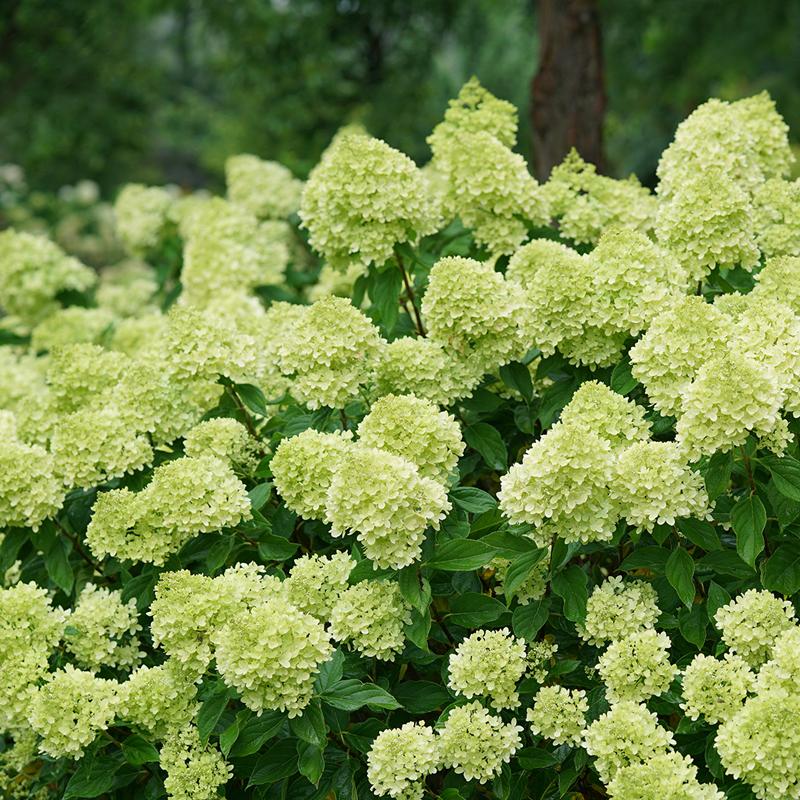
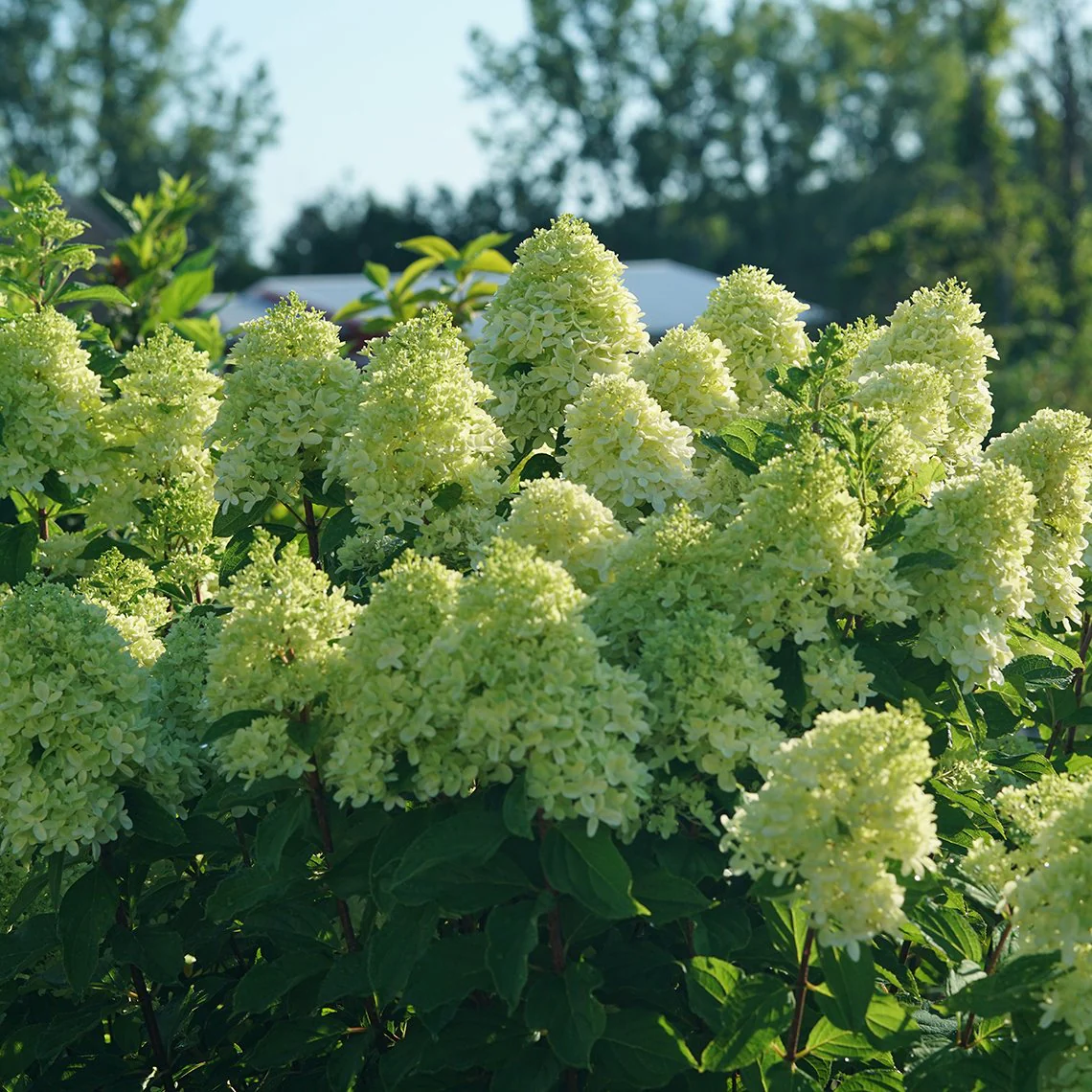
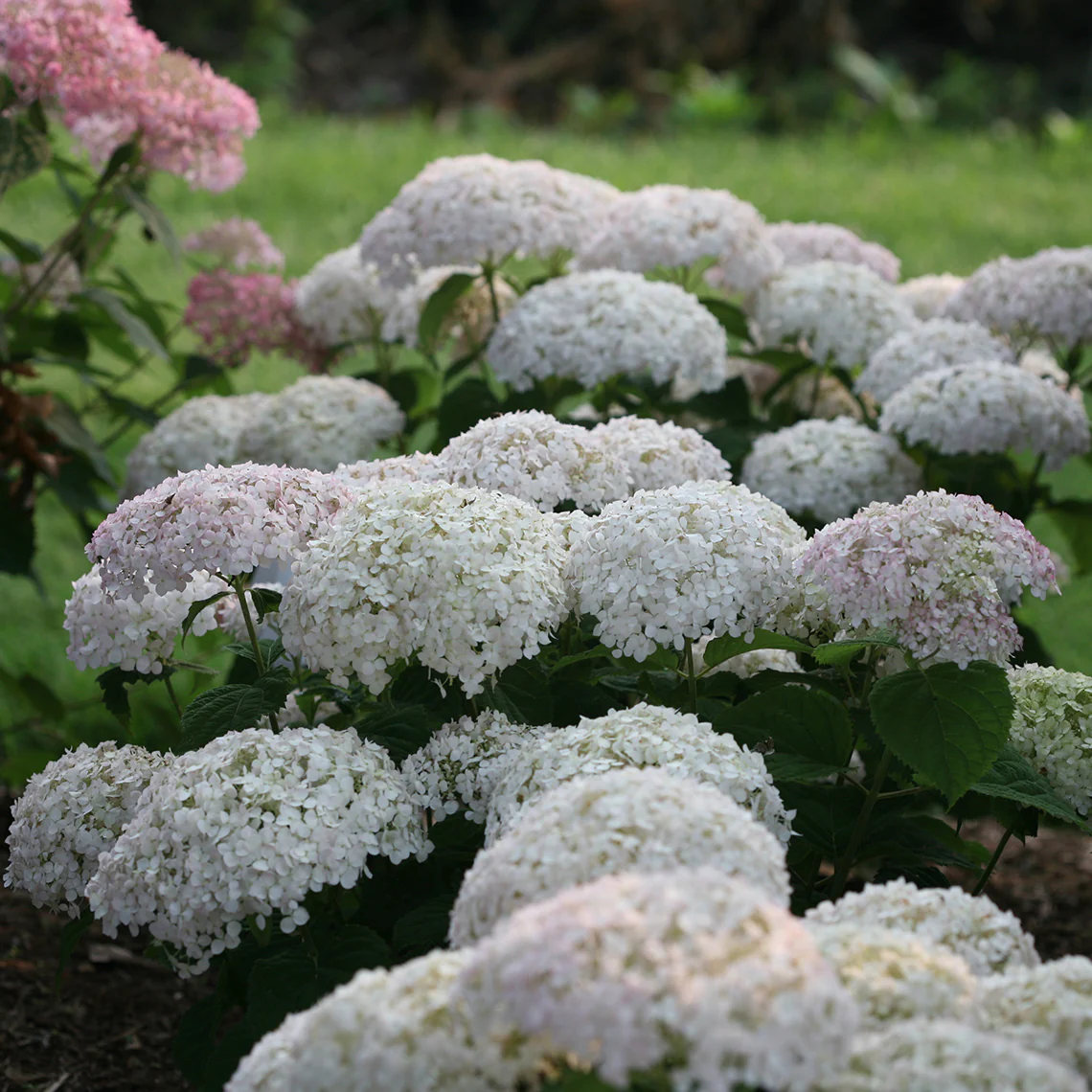
- One of the earliest to bloom in summer - typically by 4th of July
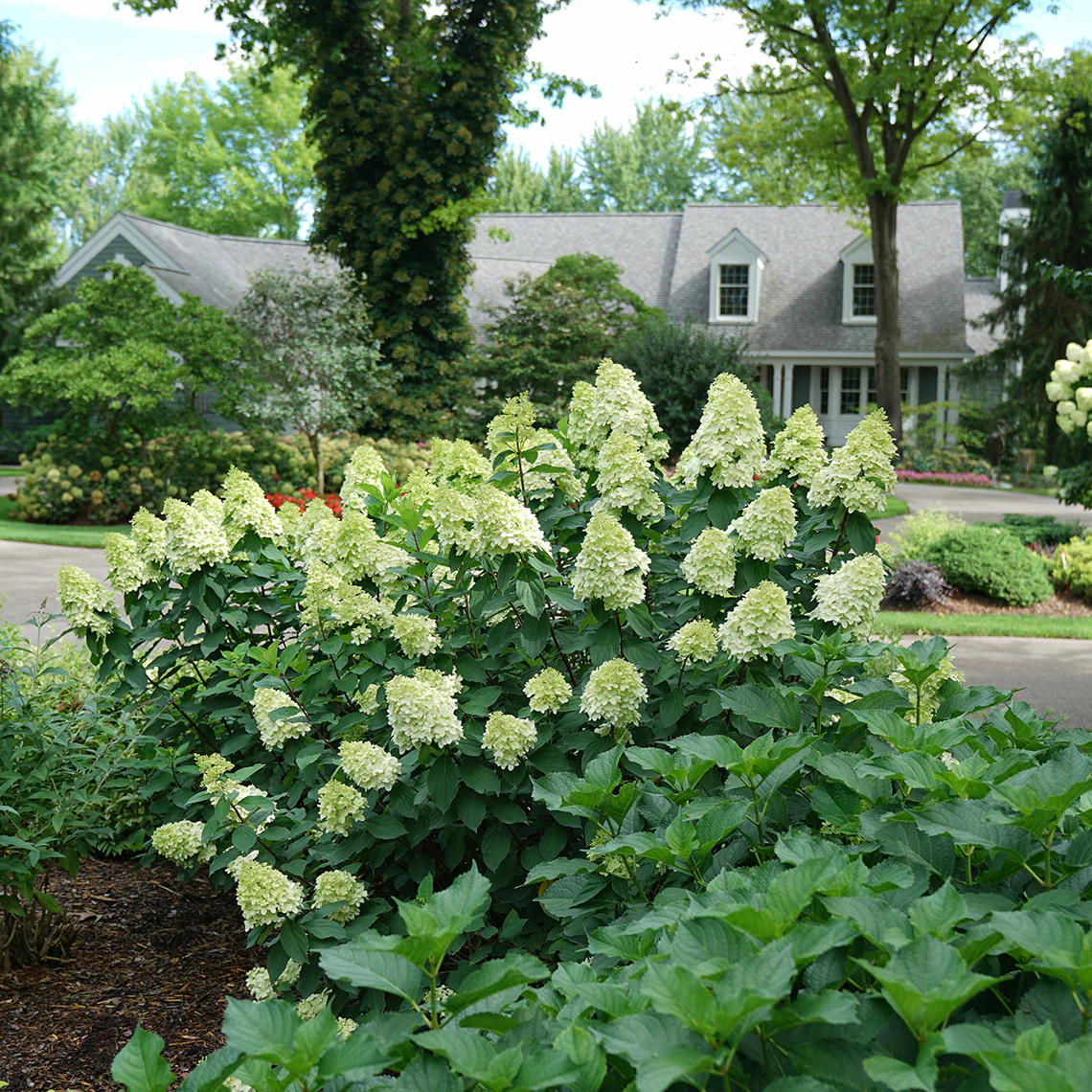
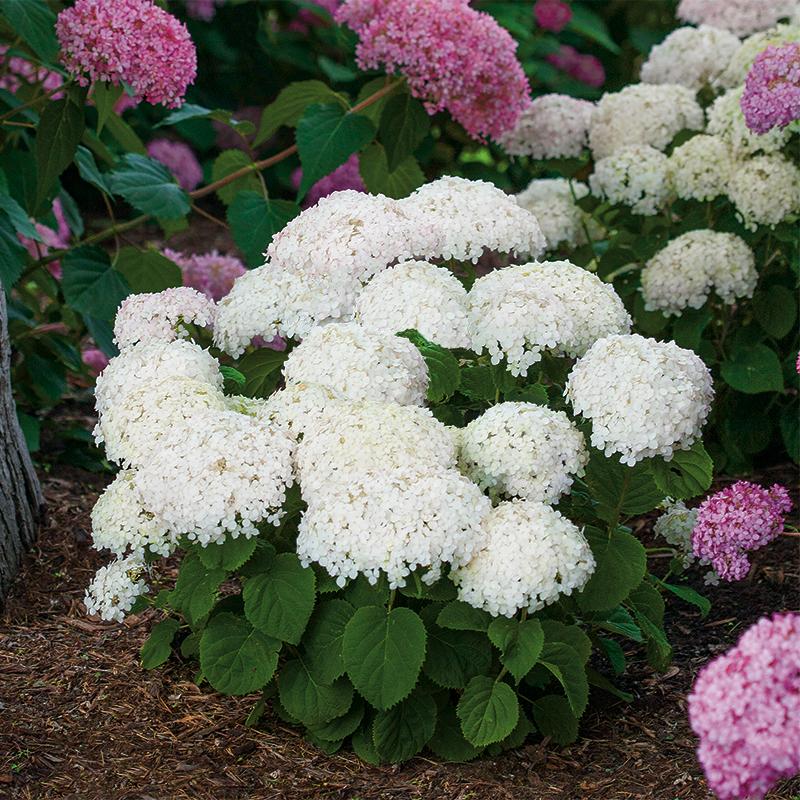
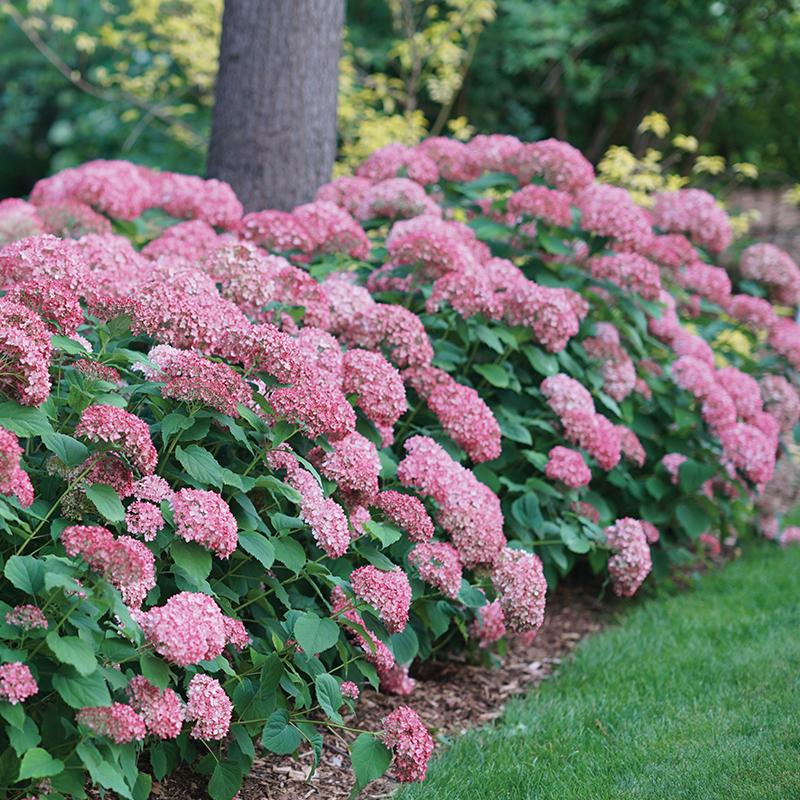
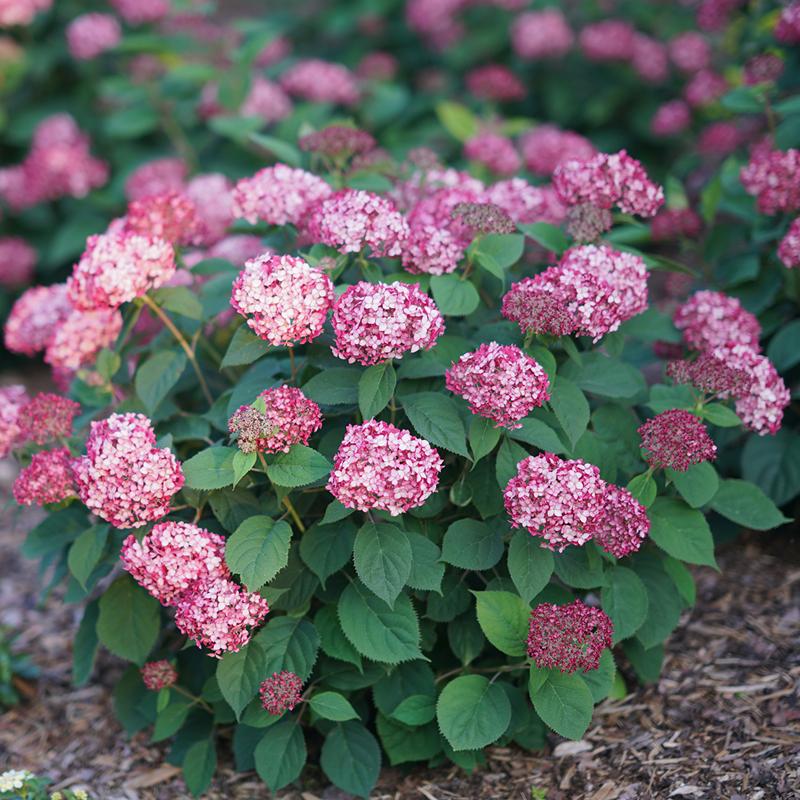
- Dwarf habit and compact size make it very versatile in the landscape or garden
Details:
Name: Hydrangea paniculata 'SMNHPLQF' pp#25,136, cbr#5406
Hardiness: USDA zones 3-8
Height + width: 3-5'
Light: Full to part sun
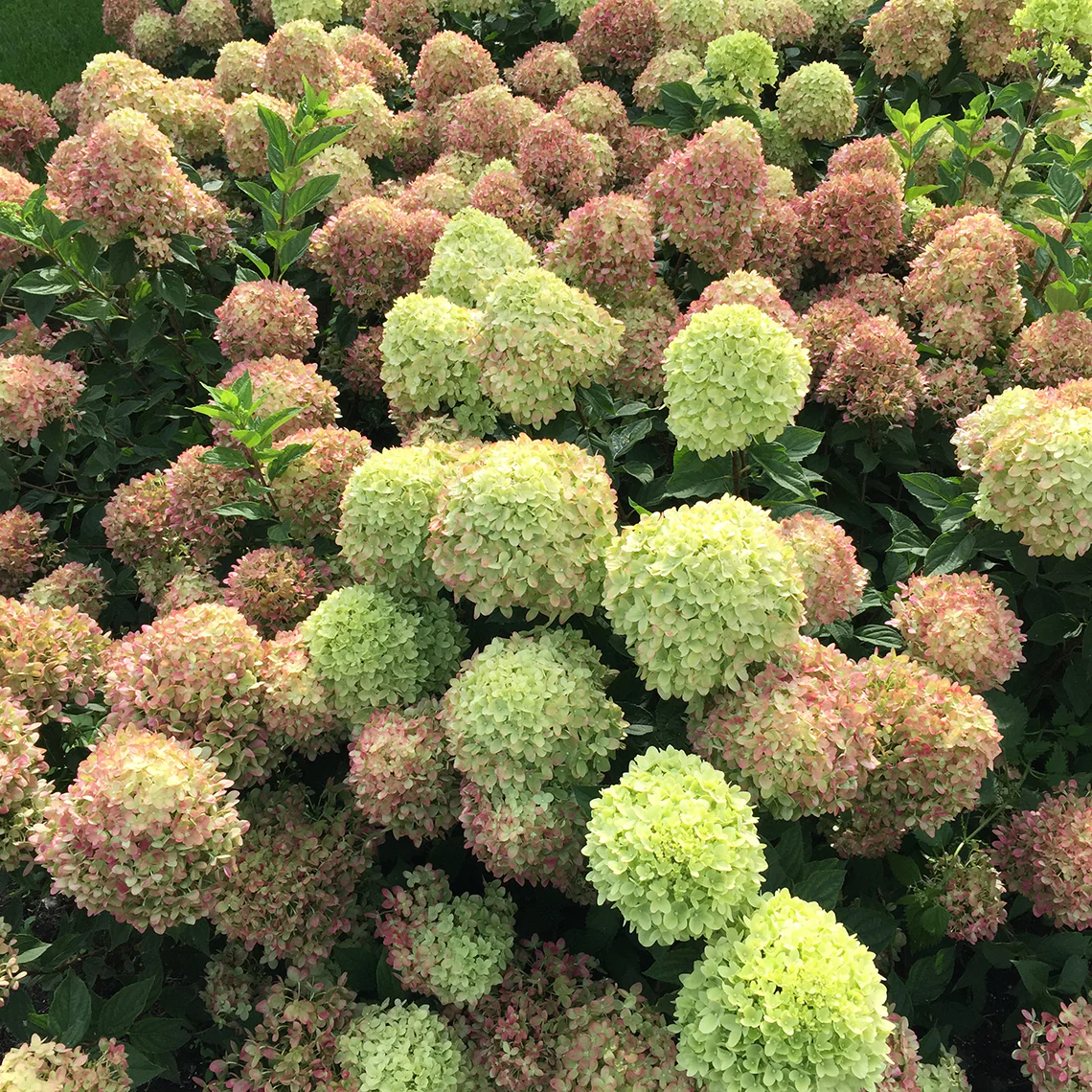
Soil: Any well-drained soil will do. Though dry conditions are unlikely to harm an established plant, prolonged drought will cause flowers to brown and wilt instead of develop a good pink color.
Pruning: Blooms on new wood; prune back by one-third in late winter/early spring for better habit and a slight improvement in stem strength.
Water: Average water needs. Does not tolerate wet conditions.
Fertilizer: Fertilize once in early spring with a rose fertilizer if desired.
Bloom time: Summer
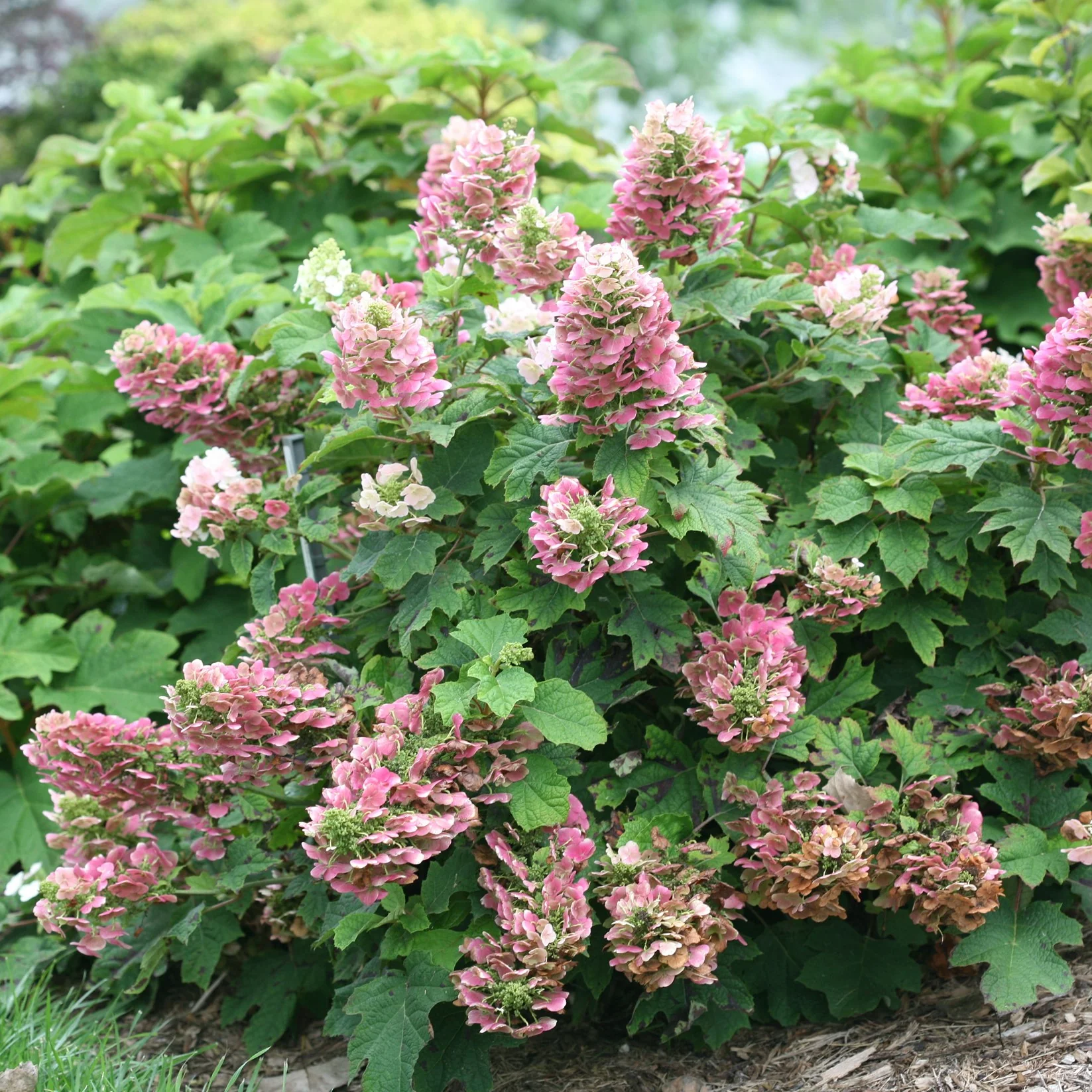
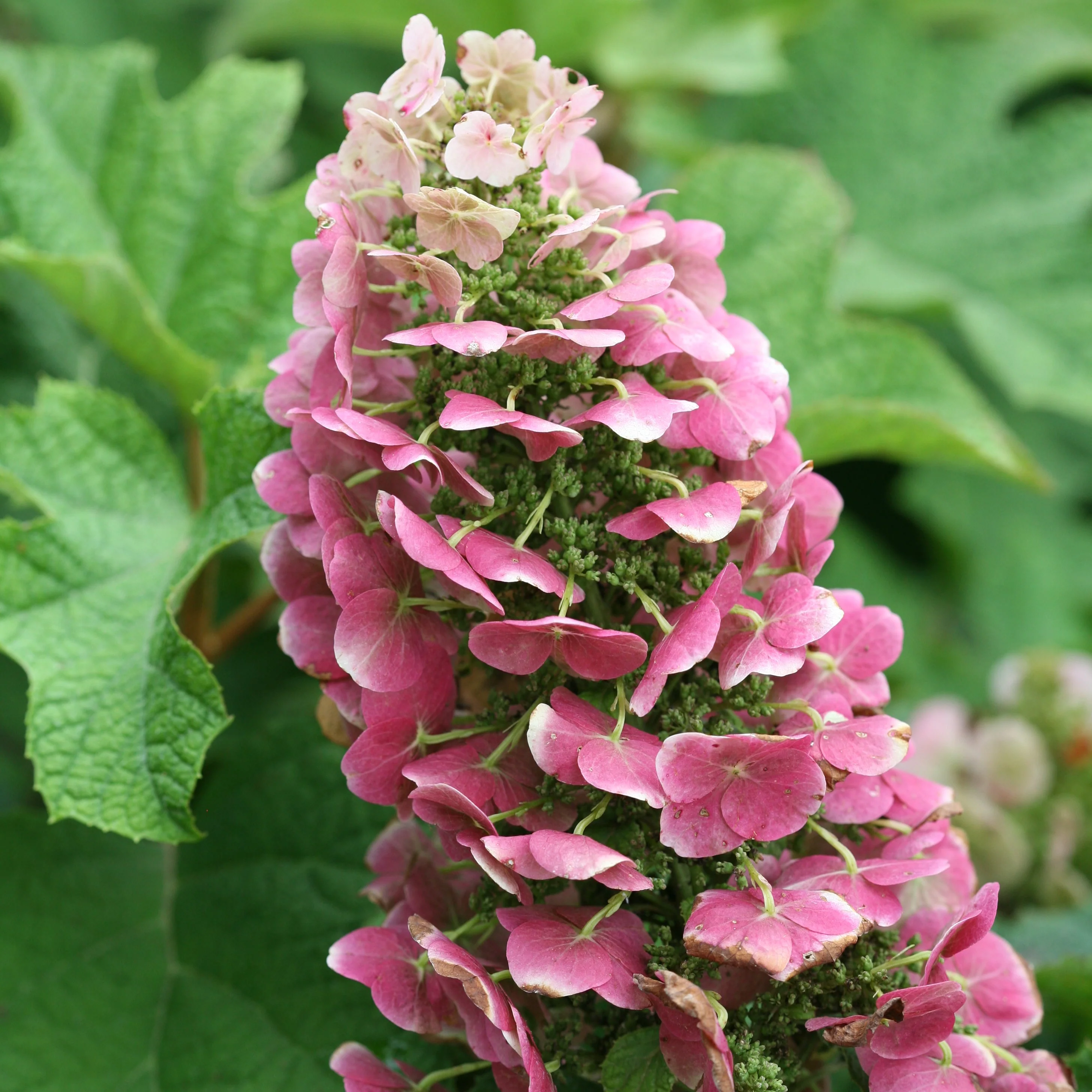
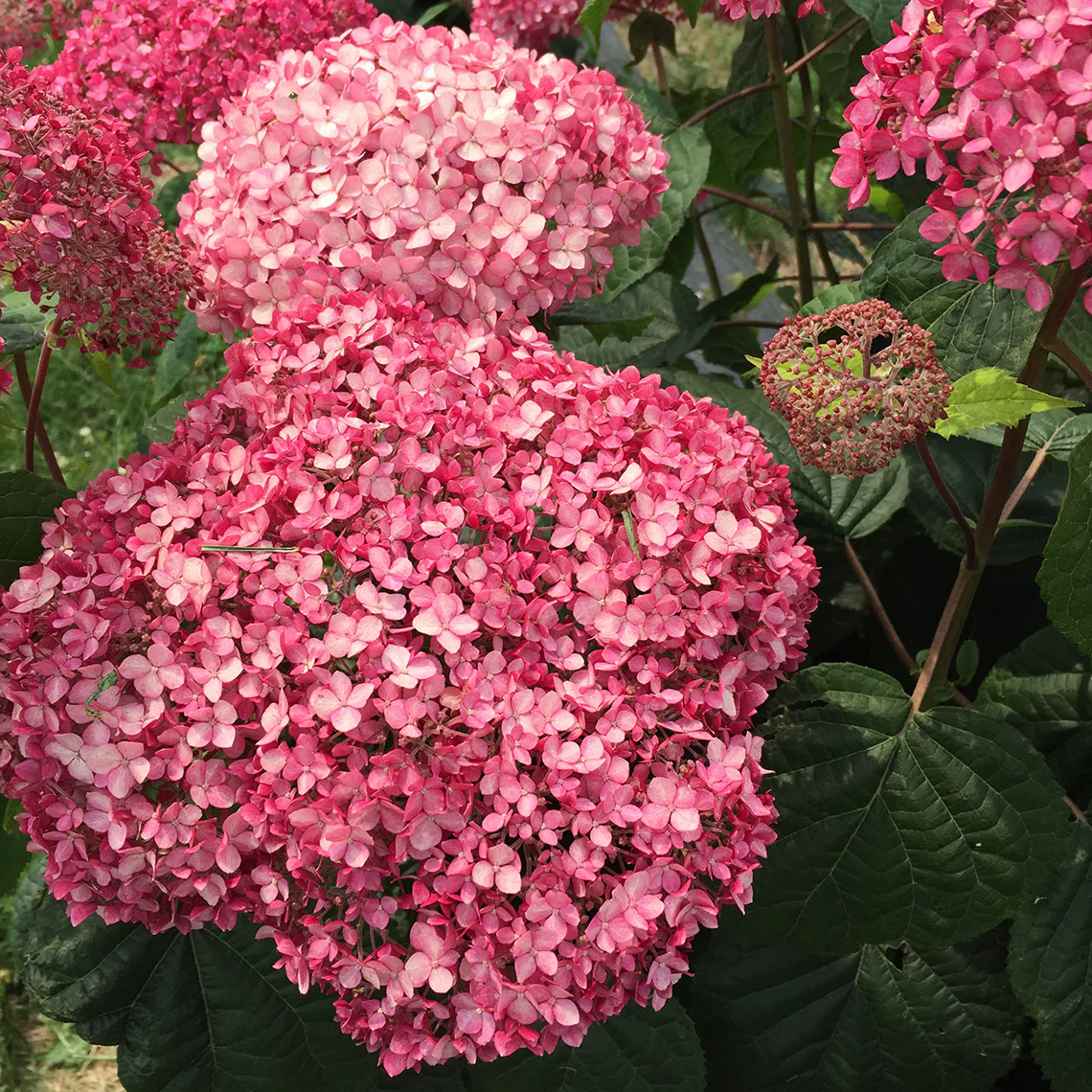
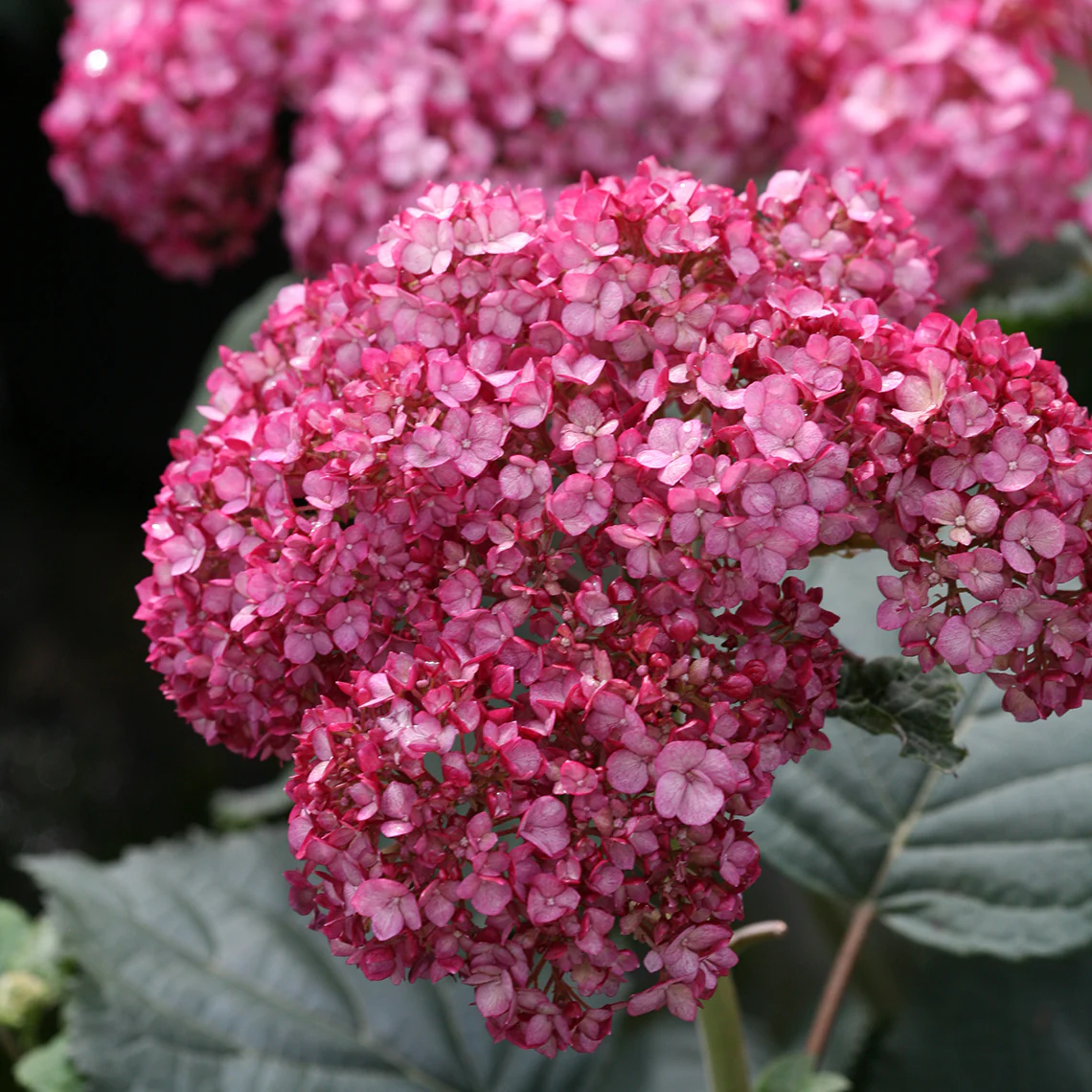
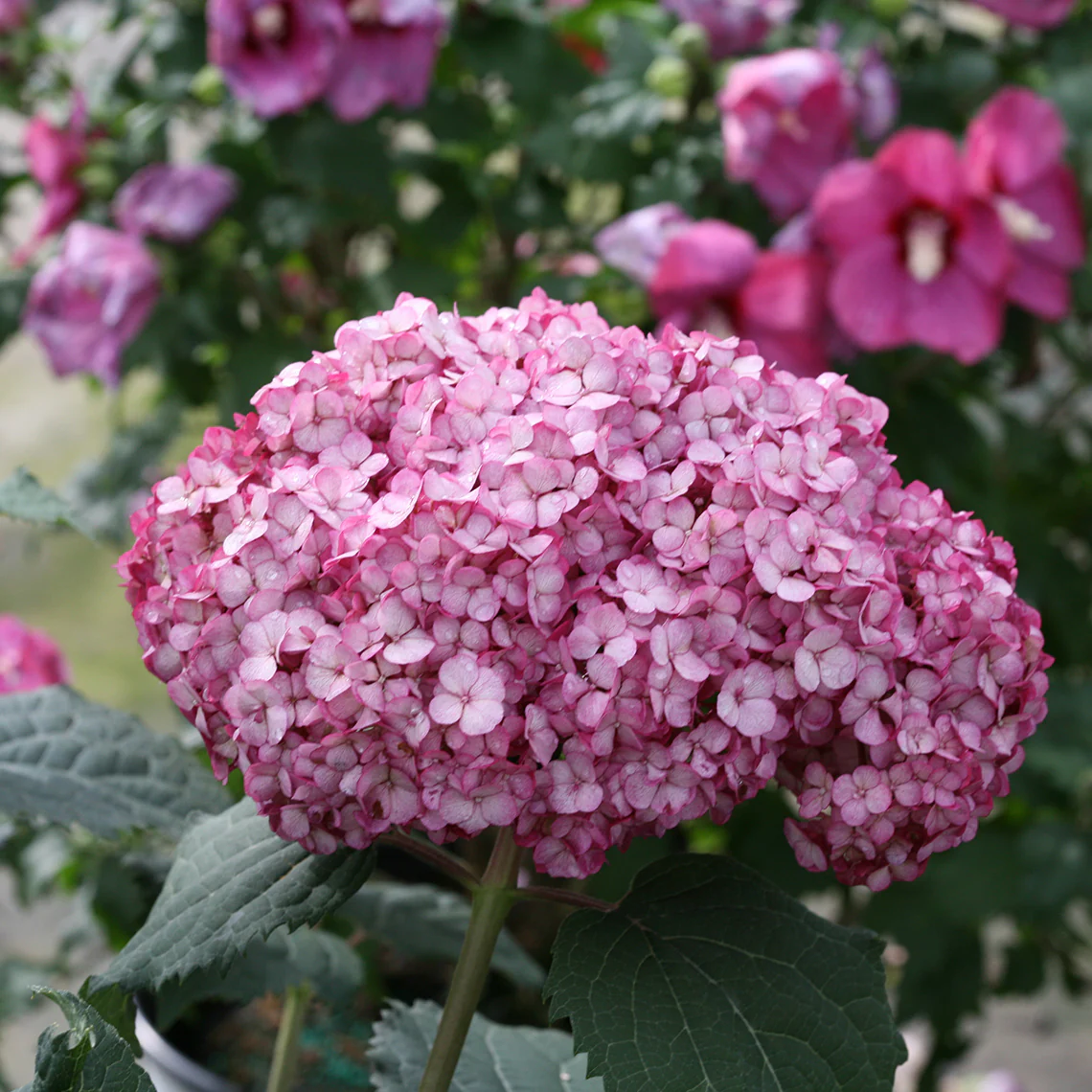
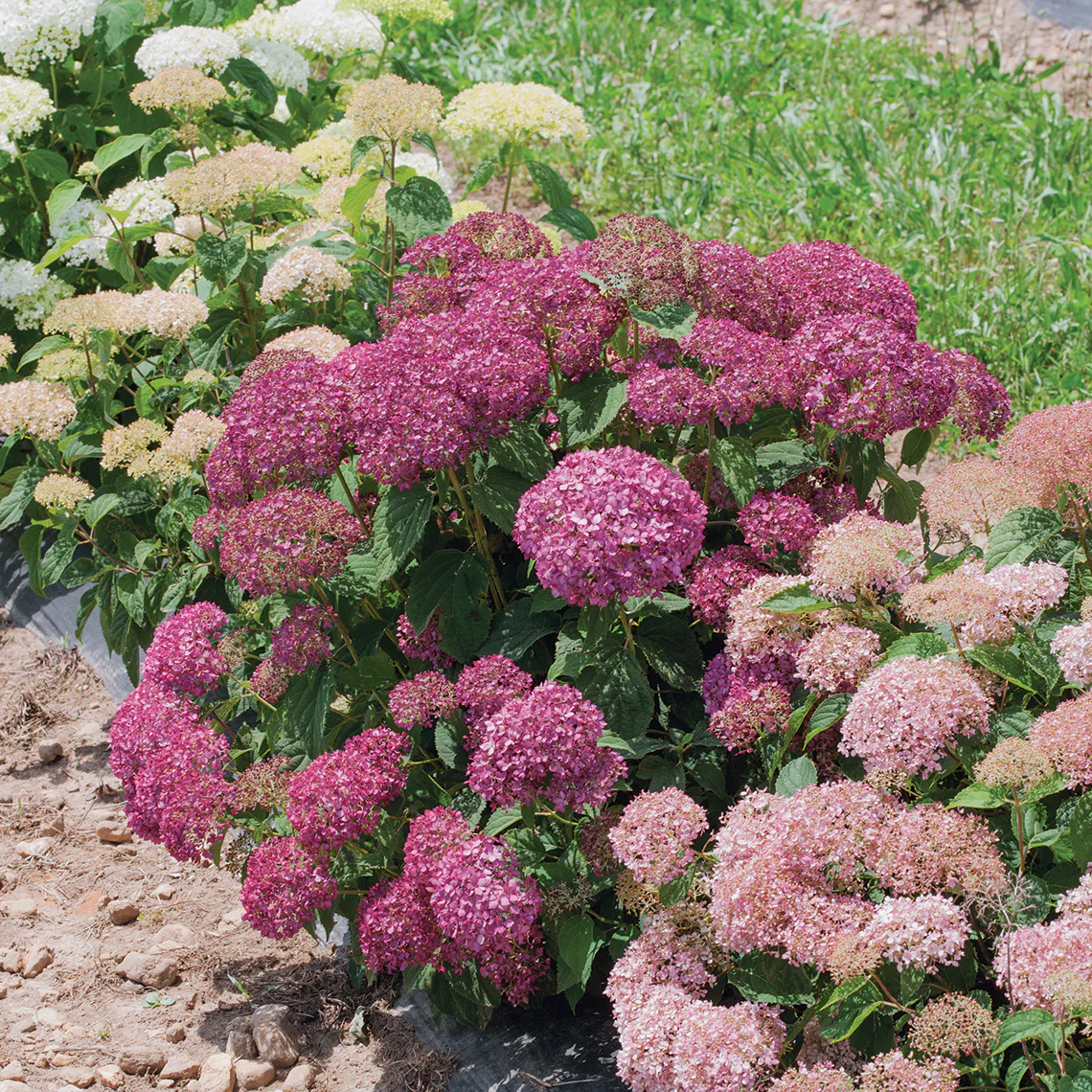
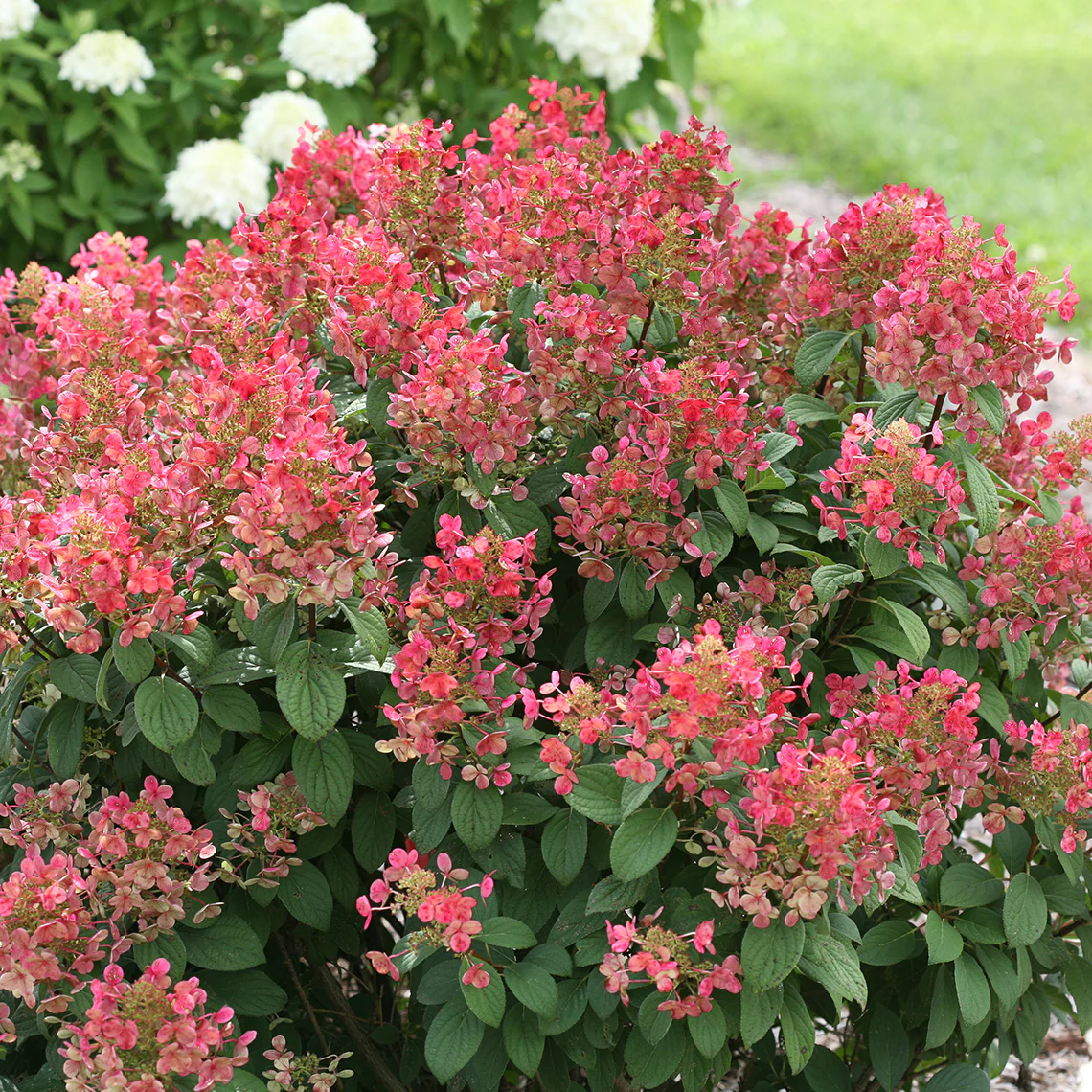
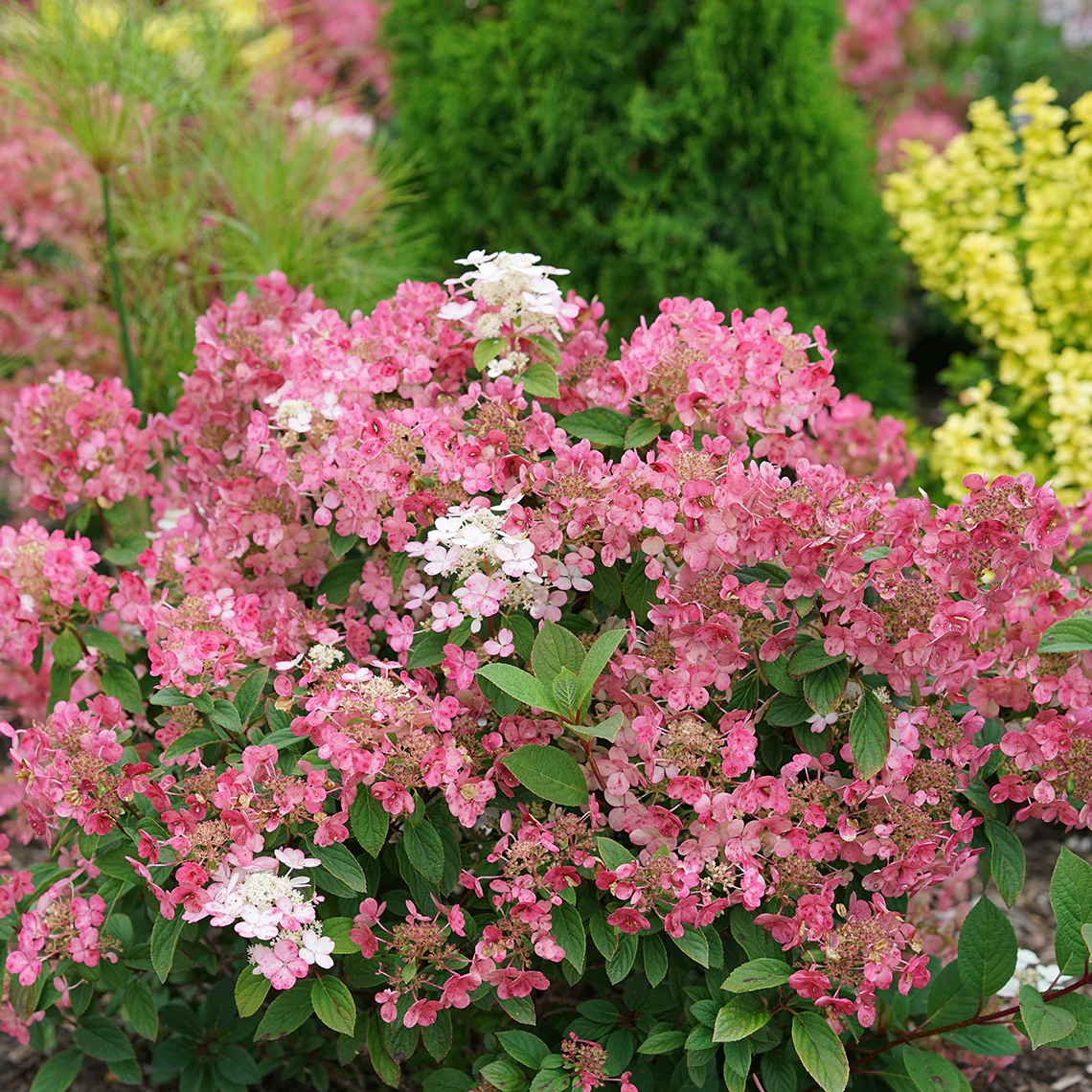
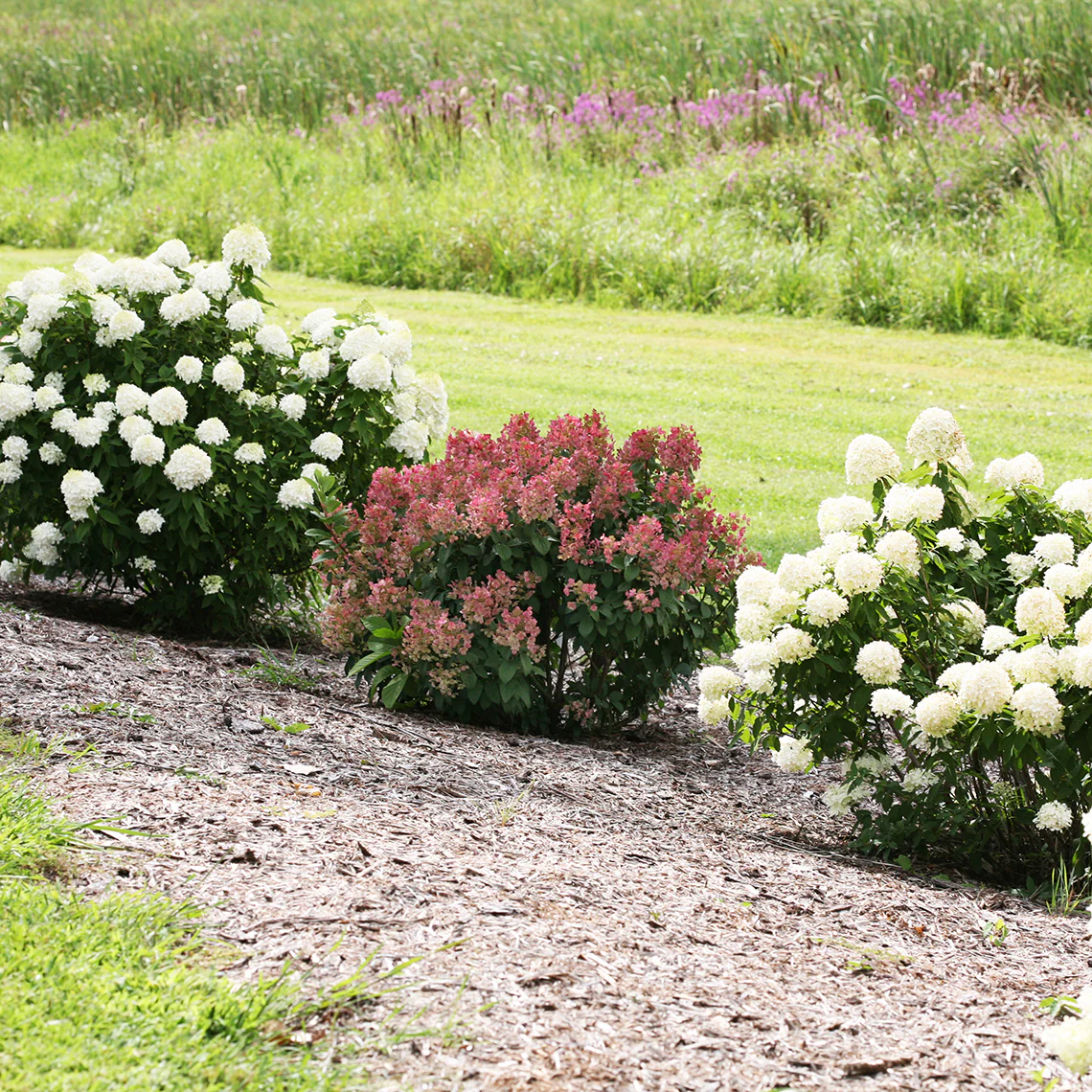
Bloom color: The color the blooms turn is a genetic trait that develops with the natural aging of the cells in the florets, and is not influenced by any condition in the soil, like pH level. You can’t change panicle hydrangeas’ color by treating with aluminum sulfate or planting in acidic soil – they will always stay in the pink/red range.
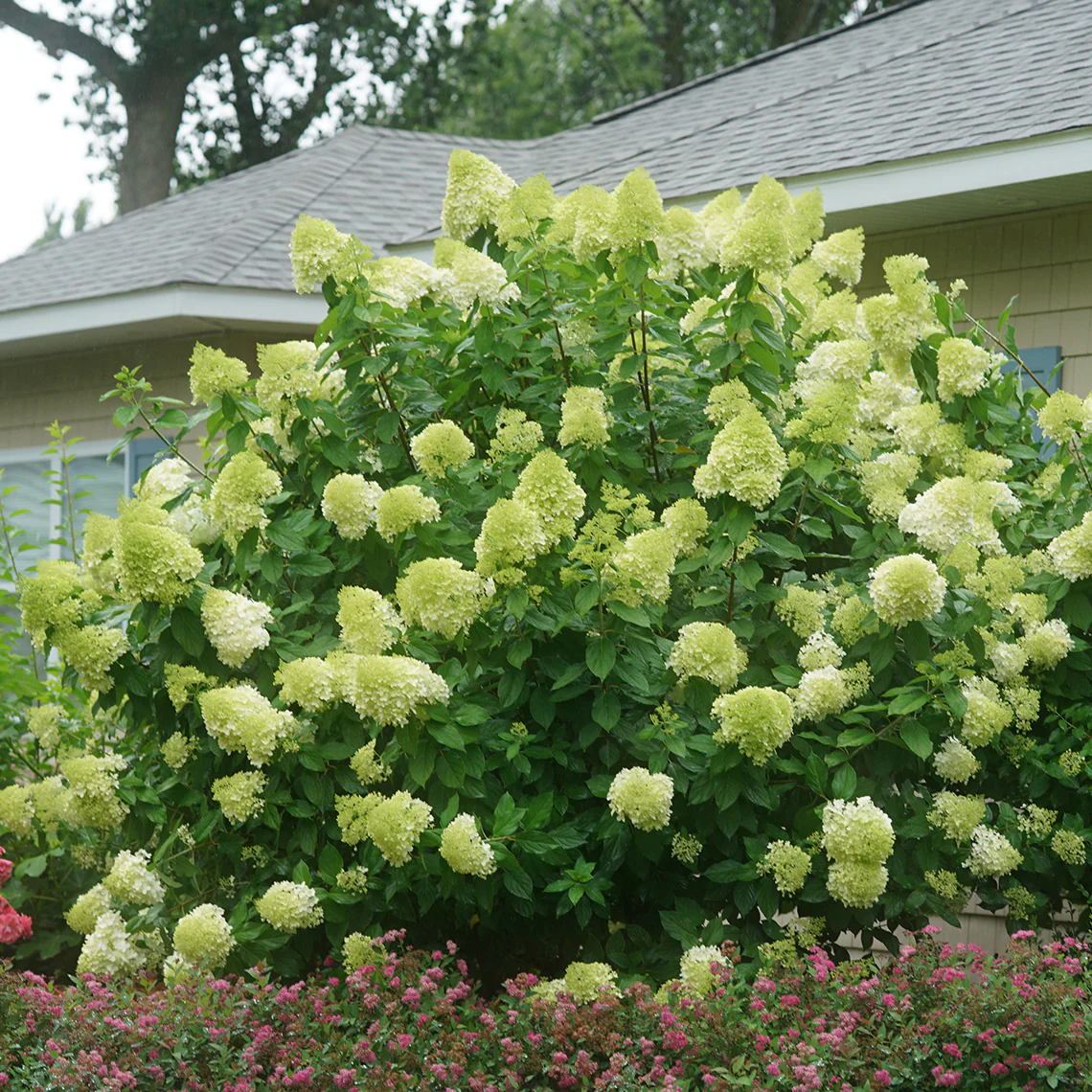
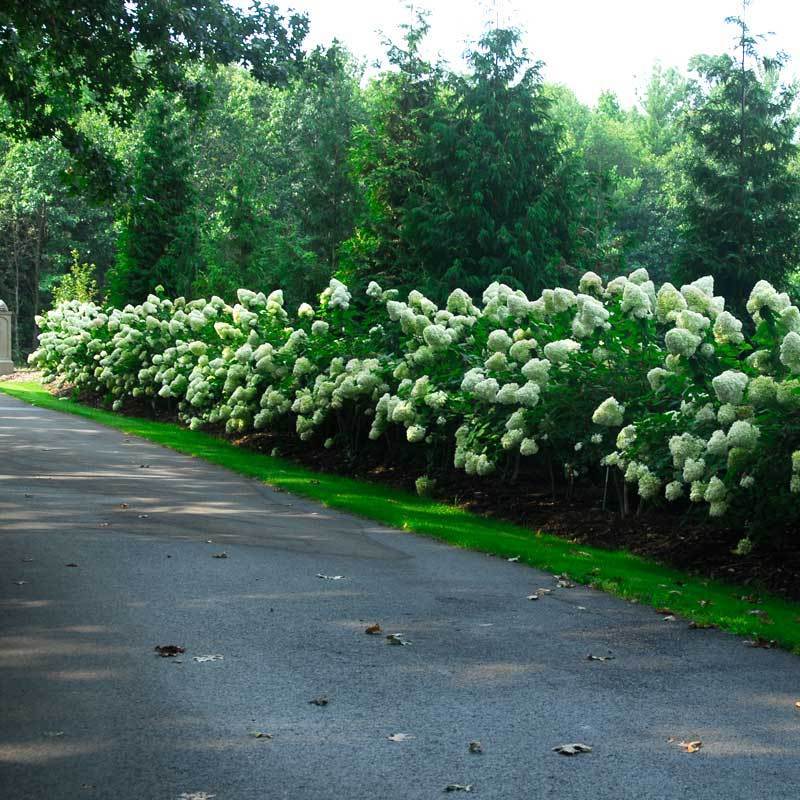
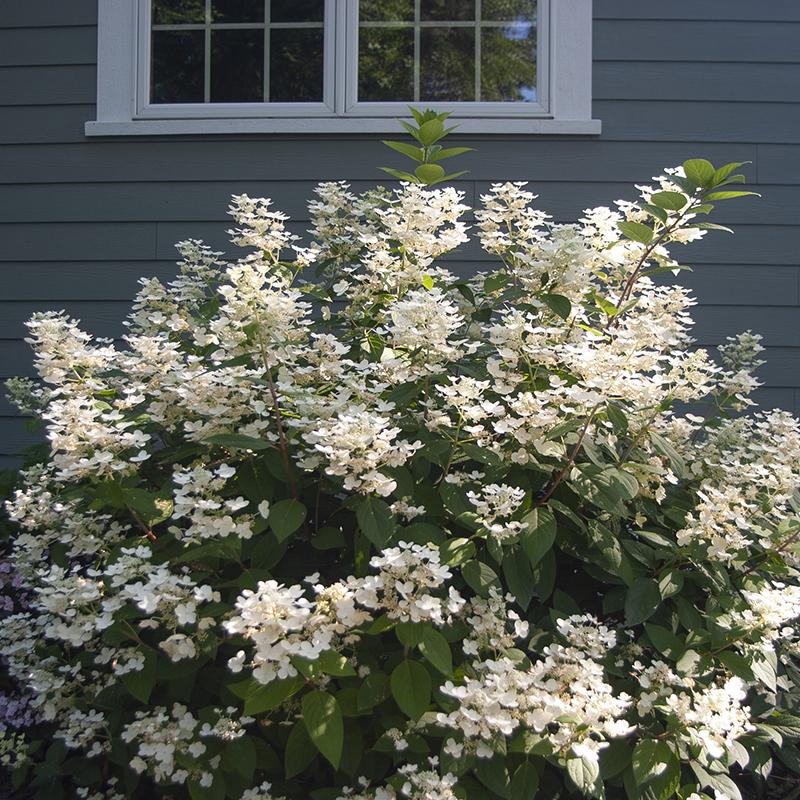
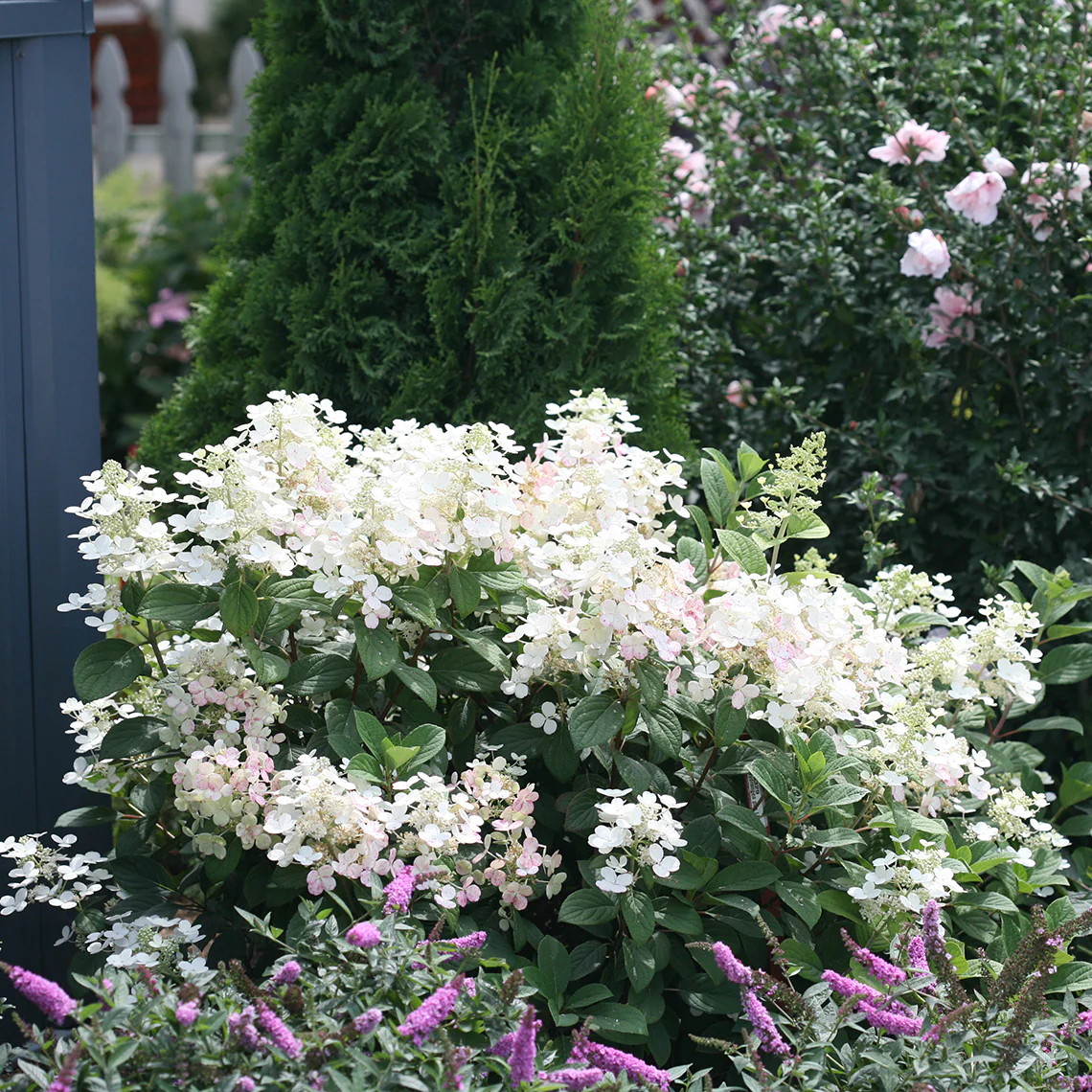
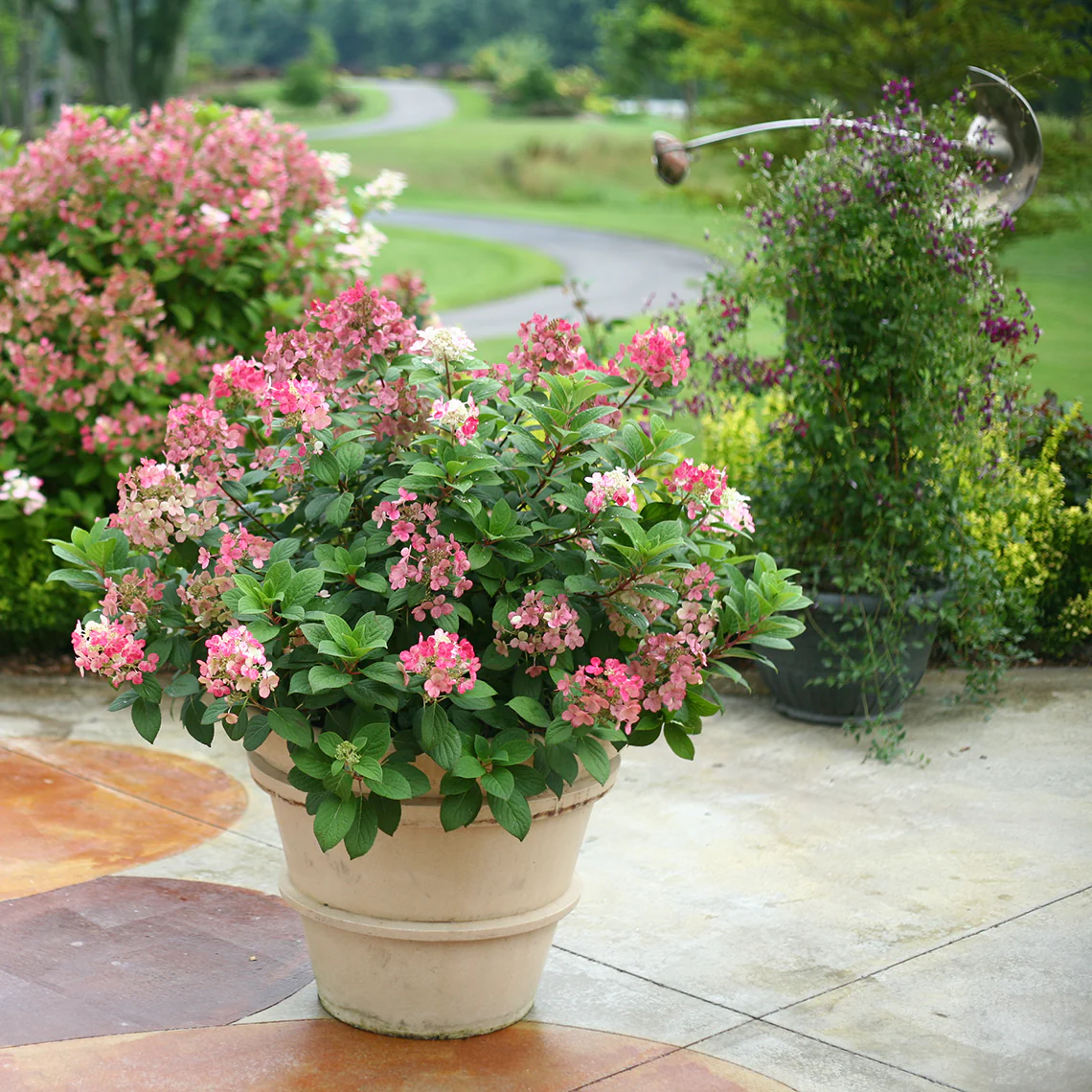
Uses: Little Quick Fire hydrangea is small enough to grow in containers, mix into perennial gardens and flower beds, as well as incorporate into landscaping as a hedge, specimen, mass planting, etc.
Details & Craftsmanship
Every detail has been carefully considered to bring you the perfect product.
Details & Craftsmanship
Every detail has been carefully considered to bring you the perfect product.
Details & Craftsmanship
Every detail has been carefully considered to bring you the perfect product.
Details & Craftsmanship
Every detail has been carefully considered to bring you the perfect product.
Details & Craftsmanship
Every detail has been carefully considered to bring you the perfect product.
Description
What makes Little Quick Fire different from other panicle hydrangeas?
- One of the earliest to bloom in summer - typically by 4th of July
- Dwarf habit and compact size make it very versatile in the landscape or garden
Details:
Name: Hydrangea paniculata 'SMNHPLQF' pp#25,136, cbr#5406
Hardiness: USDA zones 3-8
Height + width: 3-5'
Light: Full to part sun
Soil: Any well-drained soil will do. Though dry conditions are unlikely to harm an established plant, prolonged drought will cause flowers to brown and wilt instead of develop a good pink color.
Pruning: Blooms on new wood; prune back by one-third in late winter/early spring for better habit and a slight improvement in stem strength.
Water: Average water needs. Does not tolerate wet conditions.
Fertilizer: Fertilize once in early spring with a rose fertilizer if desired.
Bloom time: Summer
Bloom color: The color the blooms turn is a genetic trait that develops with the natural aging of the cells in the florets, and is not influenced by any condition in the soil, like pH level. You can’t change panicle hydrangeas’ color by treating with aluminum sulfate or planting in acidic soil – they will always stay in the pink/red range.
Uses: Little Quick Fire hydrangea is small enough to grow in containers, mix into perennial gardens and flower beds, as well as incorporate into landscaping as a hedge, specimen, mass planting, etc.